Quality problems are the most expensive surprise in importing: once goods arrive in your country, fixing them is slow and costly. A pre-shipment inspection based on AQL sampling is the standard way to check an order in China before you pay the balance. This guide explains how it works in plain language.
What does AQL mean?
AQL stands for Acceptance Quality Limit. It comes from the sampling standard ISO 2859-1 (also known as ANSI/ASQ Z1.4). Instead of checking every unit, the inspector checks a random sample whose size depends on the order quantity, and counts defects. If the number of defects found is at or below the limit, the lot passes; above it, the lot fails.
The AQL value is the worst defect rate you are willing to accept on average. A lower AQL is stricter.
Critical, major and minor defects
- Critical: could harm the user or break the law (sharp edges on a toy, electrical safety issues). Most buyers accept zero.
- Major: the product does not work properly or is unlikely to sell (broken parts, wrong colour, missing accessories). A common limit is AQL 2.5.
- Minor: small cosmetic issues that do not affect use (light scratch, loose thread). A common limit is AQL 4.0.
Choose your limits before production and write them into the purchase order, so the factory knows the standard it will be judged against.

How the sample size is chosen
The standard uses the lot size and an inspection level (General Level II is the usual default) to find a code letter, which gives the sample size and the accept/reject numbers for each AQL. Larger orders need larger samples, but not proportionally: an order ten times bigger does not need a sample ten times bigger. Your inspector uses the official tables; you only need to agree on the inspection level and AQL values.
What is checked in a pre-shipment inspection
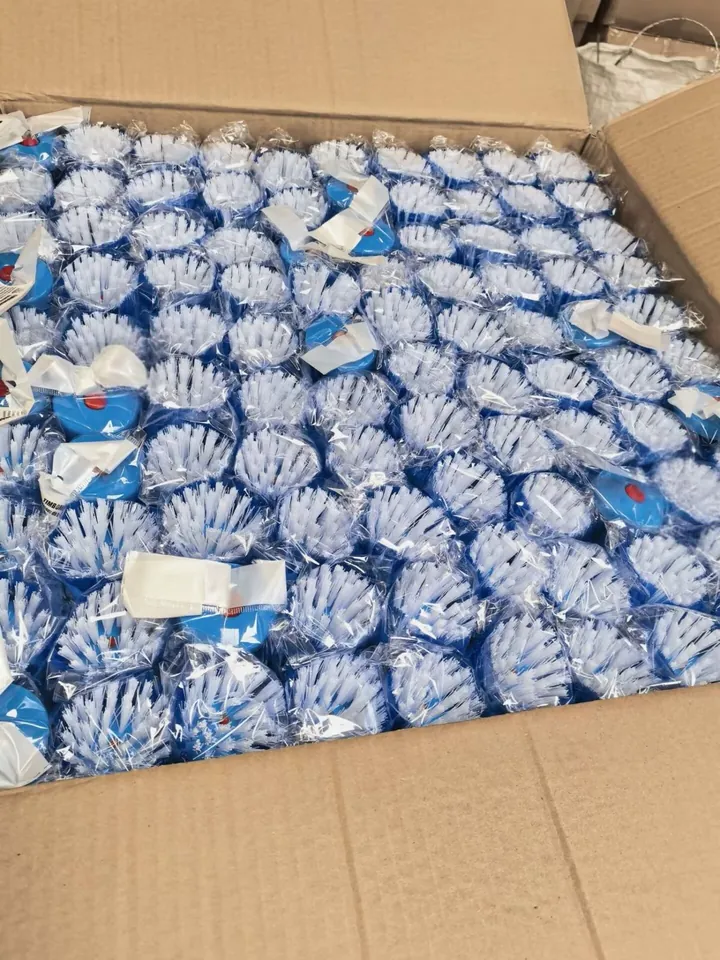
- Quantity: number of finished and packed cartons and units.
- Workmanship and appearance: defects classified as critical, major or minor.
- Conformity: materials, colours, sizes, logos and functions against the approved sample and your specifications.
- Function and on-site tests: for example assembly, electrical function, drop tests of cartons, barcode scans.
- Packaging and labelling: retail packaging, warnings, barcodes, carton marks and the required certification marks for your market.
- Measurements and weights of products and cartons.
When to inspect
- During production: useful for new suppliers and large orders, to catch problems while they can still be corrected.
- Pre-shipment: when production is finished and at least most of the goods are packed. This is the inspection most buyers rely on before the final payment.
- Container loading check: confirms the right goods and quantities are loaded, and that cartons are handled properly.
What happens if an order fails?
A failed inspection is information, not the end of the order. Typical options are: the factory reworks or replaces defective units and the goods are re-inspected; the buyer accepts the goods with a price adjustment; or, for serious problems, production is redone. Agree on these consequences in advance.
How TIMBOMDOM inspects
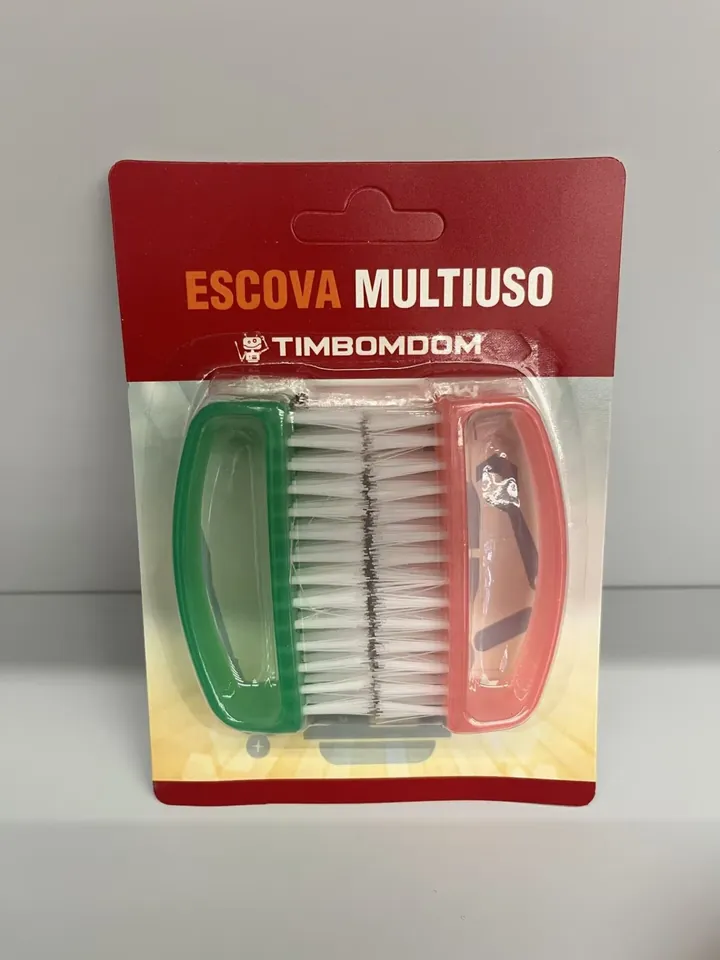
Our own staff or a third-party inspection agency inspect during and after production to your standard, for example AQL sampling, and you receive a detailed report with photos and videos before you release the final payment. Factory audits such as BSCI or ISO can be arranged when your customers require them.
Ask for a quote including inspection, or read how importing with a sourcing agent works.