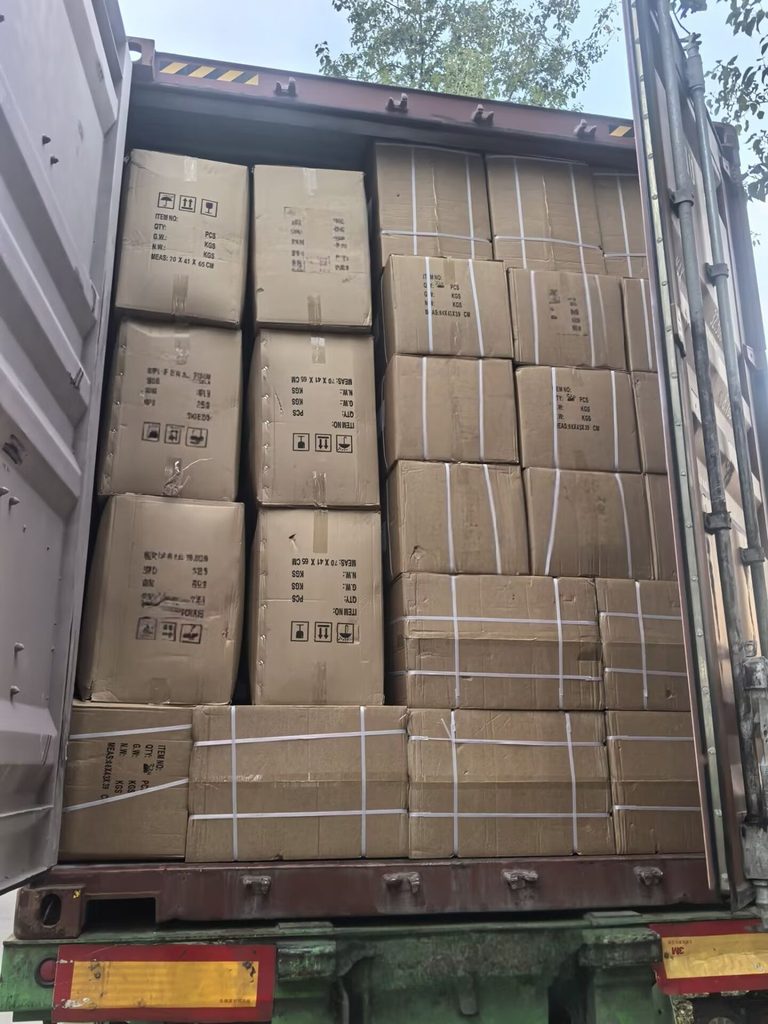
Buying directly from Chinese factories can cut costs, but it also means dealing with unfamiliar suppliers, quality risks, international payments and export logistics. A China sourcing agent acts as your office on the ground. This guide explains how the process works step by step, what to prepare, and how agents are paid, so you can decide whether it is right for your business.

What does a sourcing agent in China actually do?
A sourcing agent represents the buyer, not the factory. A full-service agent usually covers:
- Supplier search and verification: shortlisting real manufacturers, checking business licences and production capacity.
- Negotiation: price, minimum order quantity (MOQ), payment terms, packaging and delivery dates.
- Samples: collecting and checking samples against your specifications before mass production.
- Quality control: inspections during and after production, with photo and video reports.
- Consolidation and shipping: collecting goods from several factories, loading one container and handling export documents.
Step 1: Define your product and requirements
The clearer your brief, the faster and more accurate the quotes. Prepare:
- Product description, photos or links to similar products
- Materials, sizes, colours and any technical specifications
- Target quantity per item and target price, if you have one
- Packaging: retail box, private label, barcode labels, carton marks
- Destination country and port, and the certifications your market requires (for example CE, FDA, RoHS, REACH or EN71)
Step 2: Supplier search and verification
The agent compares several suppliers for each product. The most common risk for first-time importers is that the “factory” found online is a trading company, or does not have the capacity it claims. A good agent checks the business licence, visits or audits the factory when needed, and tells you who actually makes the product.
Step 3: Quotation and negotiation
You receive quotes per item with MOQ, unit price, packaging details and production time. The agent negotiates on your behalf, and can often lower MOQs by grouping your orders or choosing suppliers that work with smaller quantities. Ask for quotes on clear trade terms (EXW, FOB or CIF) so you can compare total landed cost.
Step 4: Samples
Never skip samples for a new product or supplier. The agent collects samples, checks them against your specifications and sends them to you (or photos and videos if you prefer). The approved sample becomes the reference for mass production and for the final inspection.
Step 5: Production and quality inspection
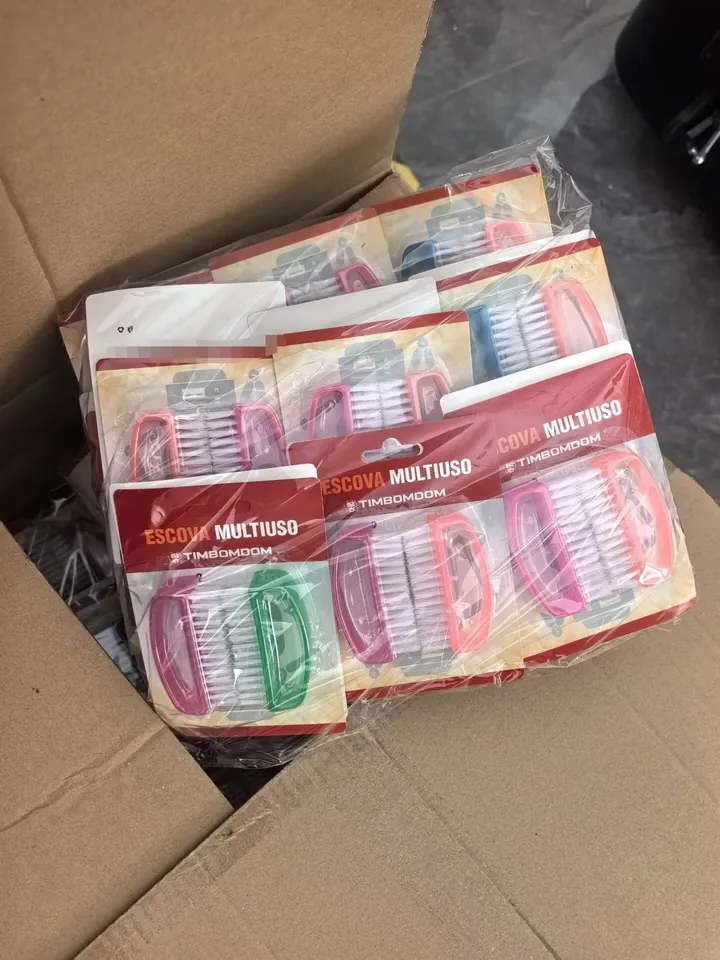
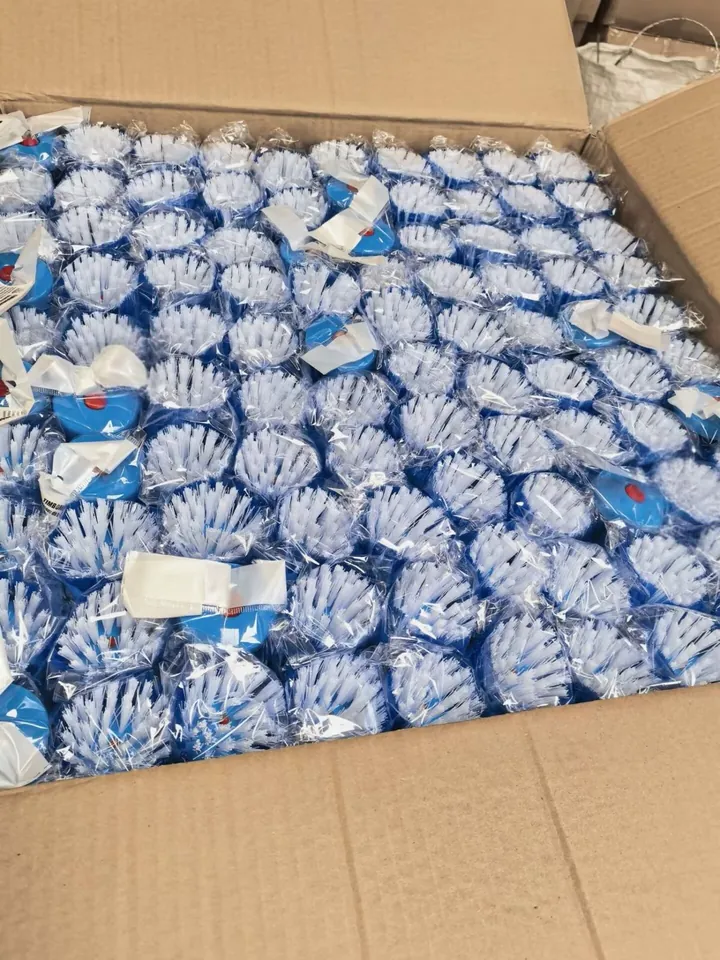
After you confirm the order, the agent follows production. For larger orders a check during production catches problems early; a pre-shipment inspection before the final payment confirms quantity, workmanship, labelling and packaging. Inspections commonly use AQL sampling. Read our guide on AQL quality inspection for details.
Step 6: Consolidation in a warehouse
If you buy from several suppliers, the goods are delivered to the agent’s warehouse, checked on arrival and loaded together into one container (LCL or FCL). This saves freight cost and paperwork. See LCL vs FCL consolidation.
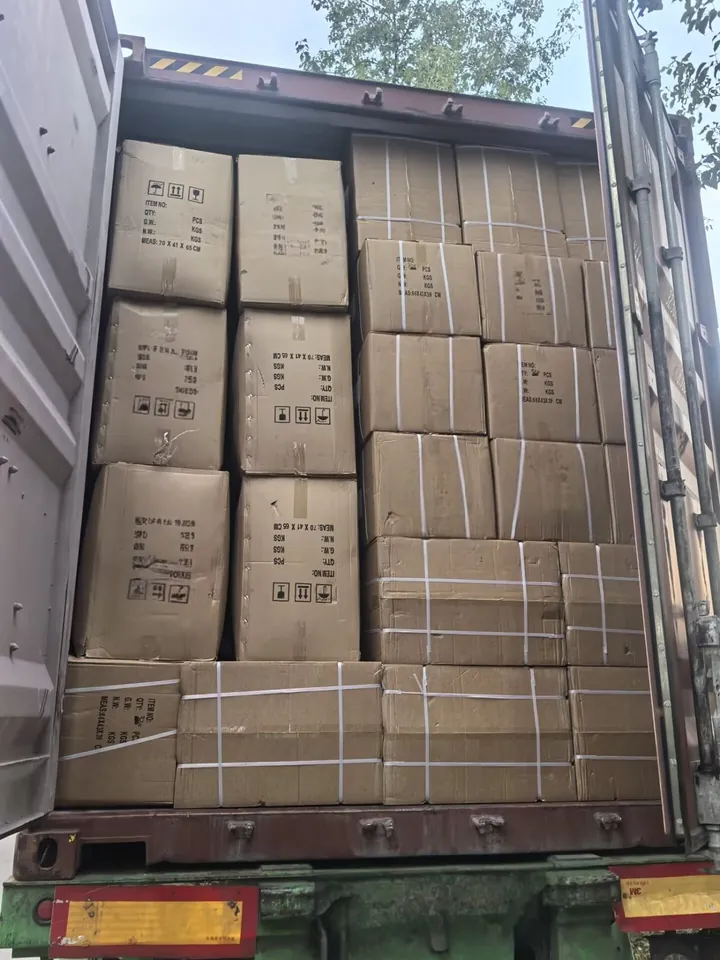
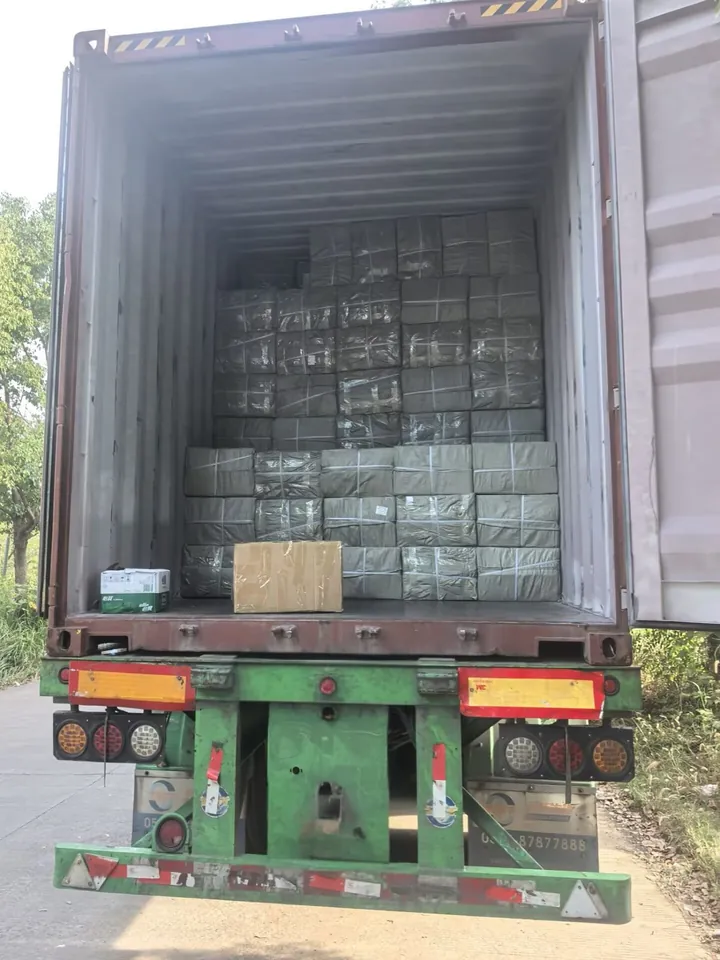
Step 7: Export, shipping and customs
The agent prepares export documents (commercial invoice, packing list, and certificates of origin when needed), arranges customs clearance in China and books freight from a port such as Ningbo, Shanghai, Shenzhen, Tianjin or Qingdao. Who pays for and controls each part of the journey depends on the trade term; see EXW vs FOB vs CIF.
How much does a sourcing agent cost?
Agents usually charge in one of two ways:
- Commission: a percentage of the cargo value. At TIMBOMDOM this is 1% to 10%, depending on order size and services, and you see the factory price.
- All-inclusive price: one price per item that includes sourcing, inspection and handling, quoted EXW, FOB or CIF.
Be careful with agents who charge nothing: they are often paid hidden commissions by factories, which means they are not working only for you.
How do payments work?
Paying many factories directly means many international transfers and many risks. With TIMBOMDOM you make one payment to our corporate account at Bank of China, and we pay each factory locally. You receive inspection reports with photos and videos before the final payment.
Checklist: choosing a sourcing agent
- Is the agent a registered company with a corporate bank account?
- Do they show you the factory price, or explain clearly what an all-inclusive price includes?
- Do they inspect goods themselves or through a third party, with photo and video reports?
- Do they have their own warehouse for consolidation?
- Can they give client references on request?
Next step
TIMBOMDOM has been sourcing in China since 2016 from our office in Yiwu, with a team of 133 people, a network of more than 2,300 factories and buyers in 73 countries. Send us your product list for a quote, or ask our AI sourcing assistant on the homepage any question about your project.