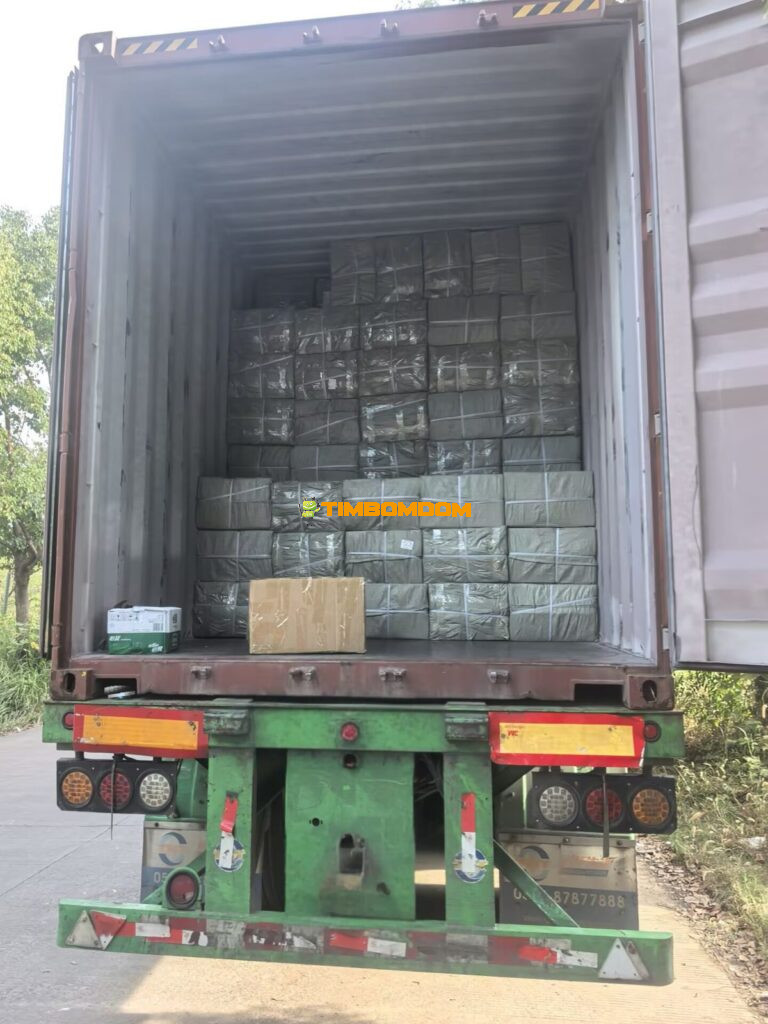
Many importers buy a few cartons of many different products. Shipping each supplier’s goods separately is expensive and creates a lot of paperwork. Container consolidation solves this: goods from several factories are collected in one warehouse in China and shipped together. This guide explains how it works and how to choose between LCL and FCL.
LCL vs FCL
- FCL (Full Container Load): you book a whole container. It is sealed in China and opened at destination, and you pay a fixed price per container, whether it is full or not.
- LCL (Less than Container Load): your cargo shares a container with other shippers. You pay by volume (cubic metres) or weight, but there are extra handling charges at both ends and transit usually takes longer.
As a rough rule, when your shipment reaches roughly half of a 20-foot container, compare the cost of a full container with LCL: FCL often becomes cheaper per cubic metre and is safer for your goods because they are handled less. Freight rates change constantly, so always compare current quotes.
Common container sizes
- 20GP (20-foot): about 33 m³ internal volume; in practice about 25–28 m³ of cartons.
- 40GP (40-foot): about 67 m³; in practice about 55–60 m³ of cartons.
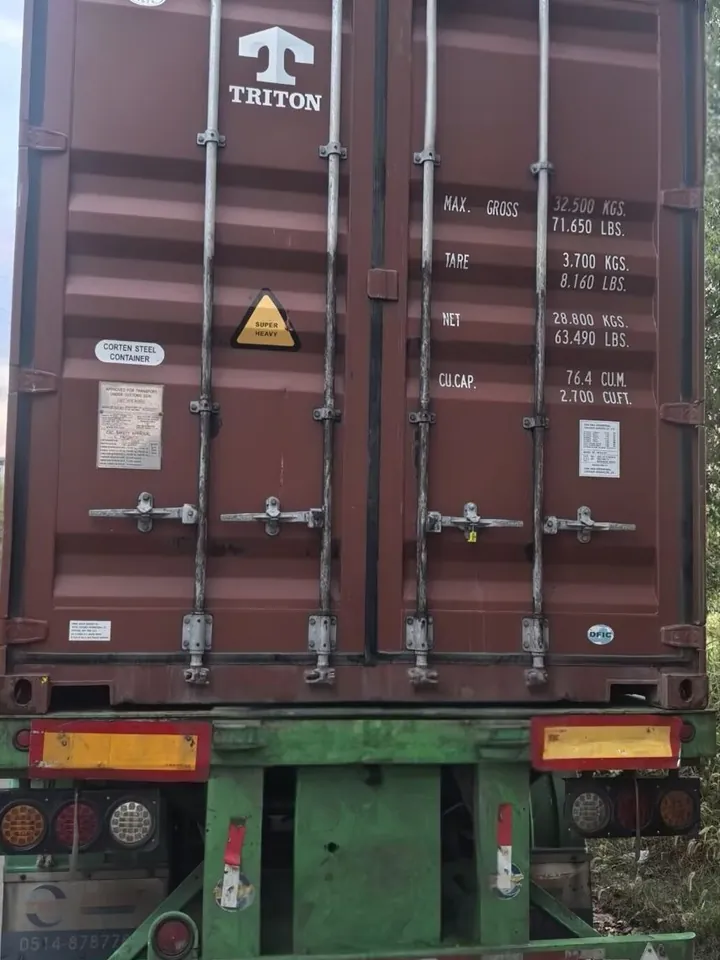
- 40HQ (40-foot high cube): about 76 m³; in practice about 65–68 m³ of cartons. The most popular choice for light, bulky consumer goods.
Heavy goods (tiles, metal, liquids) reach the weight limit before the container is full, so the planning is different.

How consolidation works step by step
- Each supplier delivers its goods to the consolidation warehouse with your carton marks.
- The warehouse receives, counts and checks the cartons, and reports any shortage or damage.
- When everything has arrived (and passed inspection), a loading plan is made to use the space well and keep heavy cartons at the bottom.
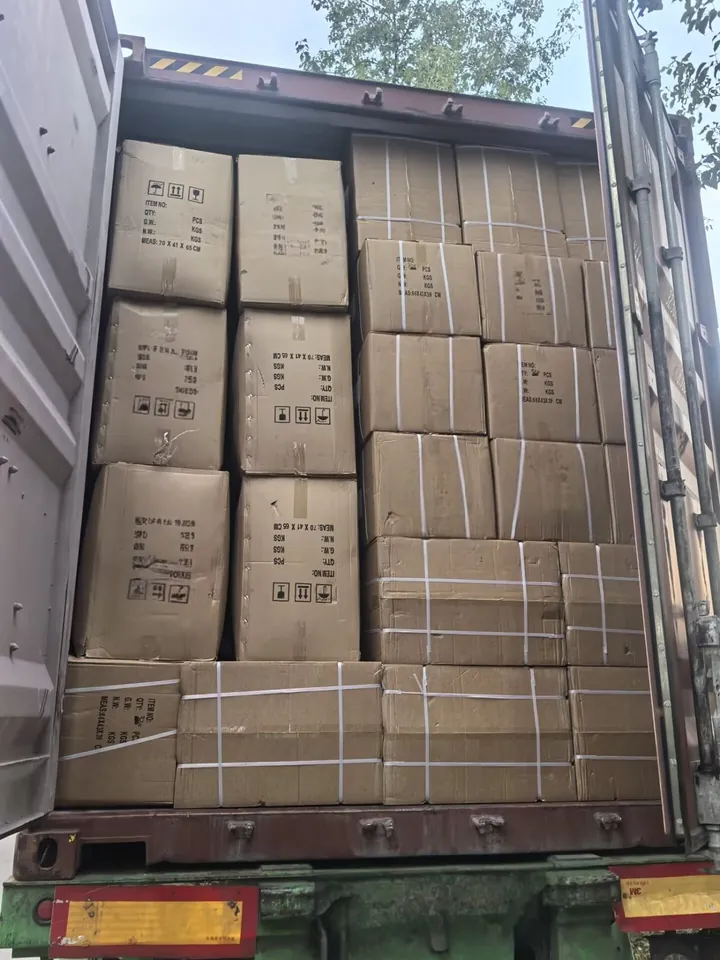
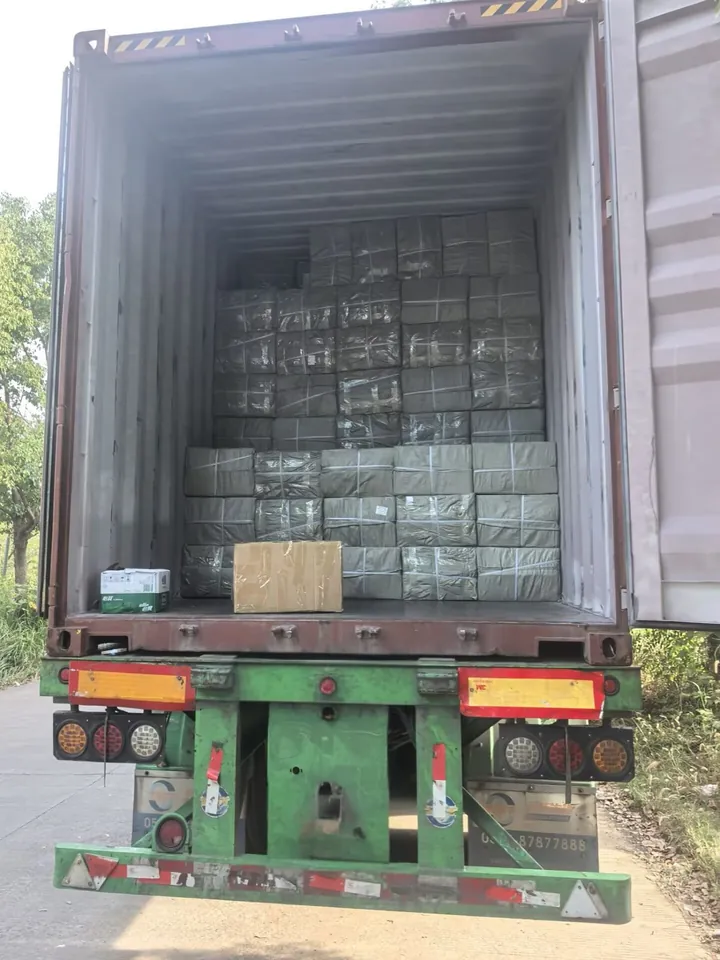
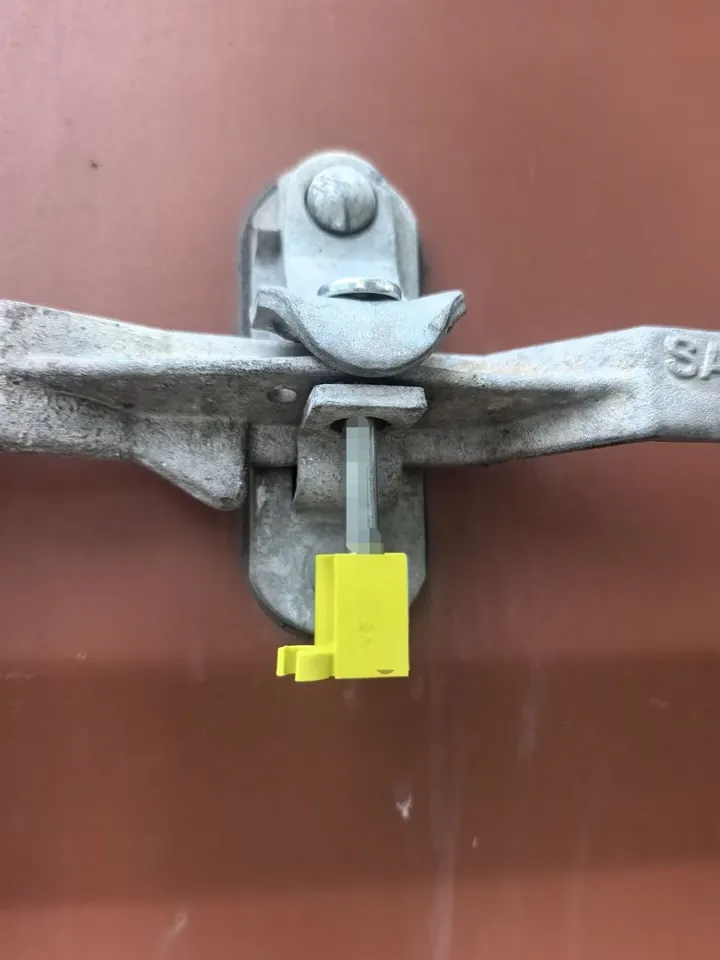
- The container is loaded, photographed and sealed, and one set of export documents is prepared for the whole shipment.
Benefits for buyers
- One shipment, one set of documents and one customs clearance at destination.
- Smaller quantities per product, because you are filling the container with many items.
- Goods are checked in one place before they leave China.
- Less handling and damage than many separate LCL shipments.
Tips
- Agree on carton marks with all suppliers before production.
- Ask every supplier for carton dimensions and gross weights early, so the loading plan is accurate.
- Set a common delivery date for all suppliers; the container waits for the slowest one.
Consolidation with TIMBOMDOM
We collect goods from different factories in our own warehouse in Yiwu, next to the Yiwu market, check them and load them into one container, LCL or FCL. We ship 800 to 3,300 containers a year through Ningbo, Shanghai, Shenzhen, Tianjin and Qingdao. Send us your supplier list or product list and we will plan the shipment.
Related: EXW vs FOB vs CIF · Yiwu market buying guide